
Swim Spa Application Guide: 7-Meter Acrylic Units in Hotel, Fitness, Resort, and Community Settings
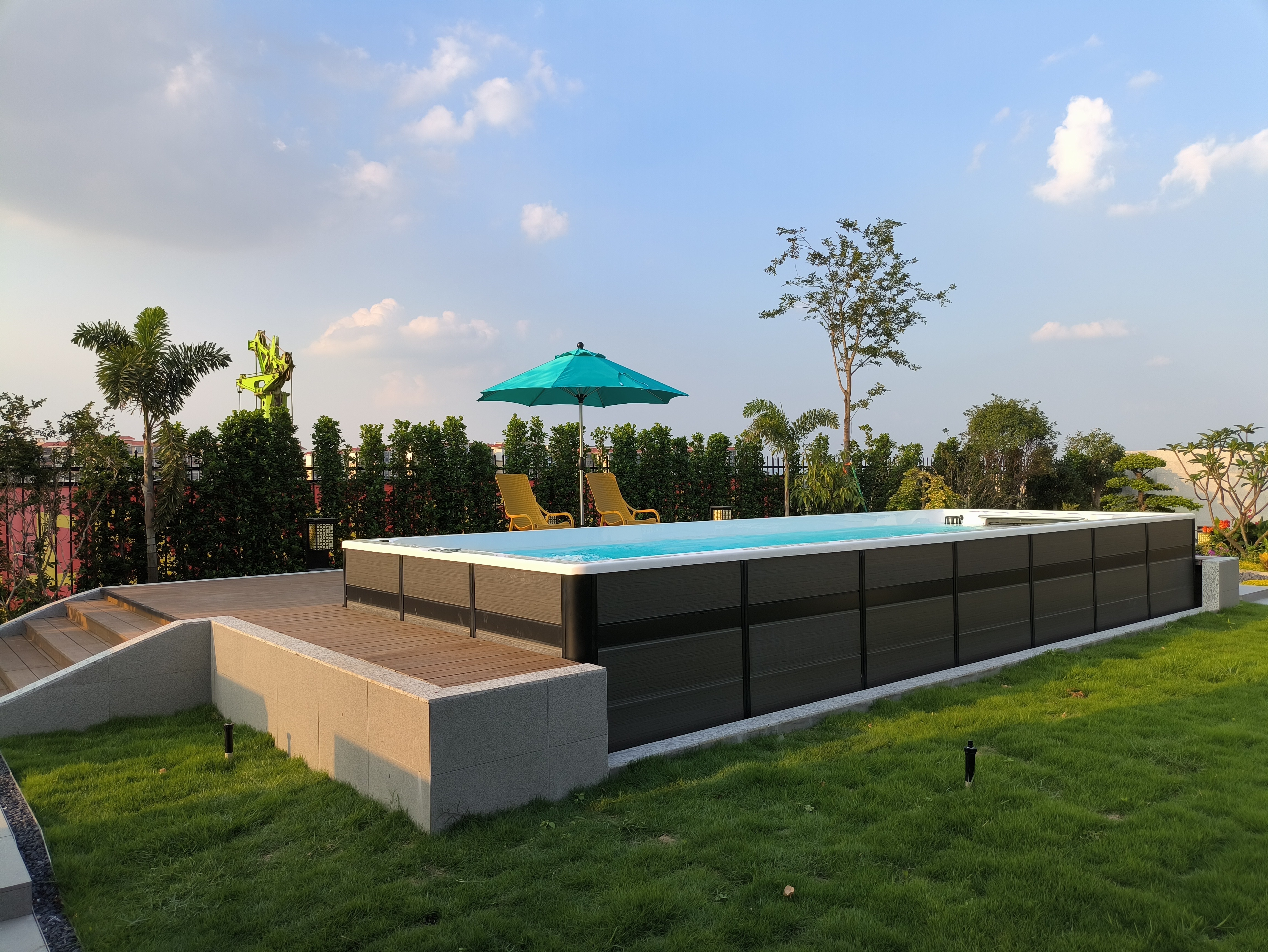
Quick answer: A 7-meter acrylic swim spa is a long-format swimming and hydrotherapy unit, and the same format is used across hotels, fitness facilities, resorts, and residential communities. What changes between projects is not the shell but the operating profile: who uses it, when they use it, how long they stay, what water temperature they expect, where the unit sits, and how it is maintained. Adaptation is therefore a planning decision, and it is made before fabrication — not after delivery.
Project teams that reach the execution stage usually already know they want the 7-meter acrylic category. The remaining work is fit: matching one format to one environment without compromising the experience of the people who will actually use it.
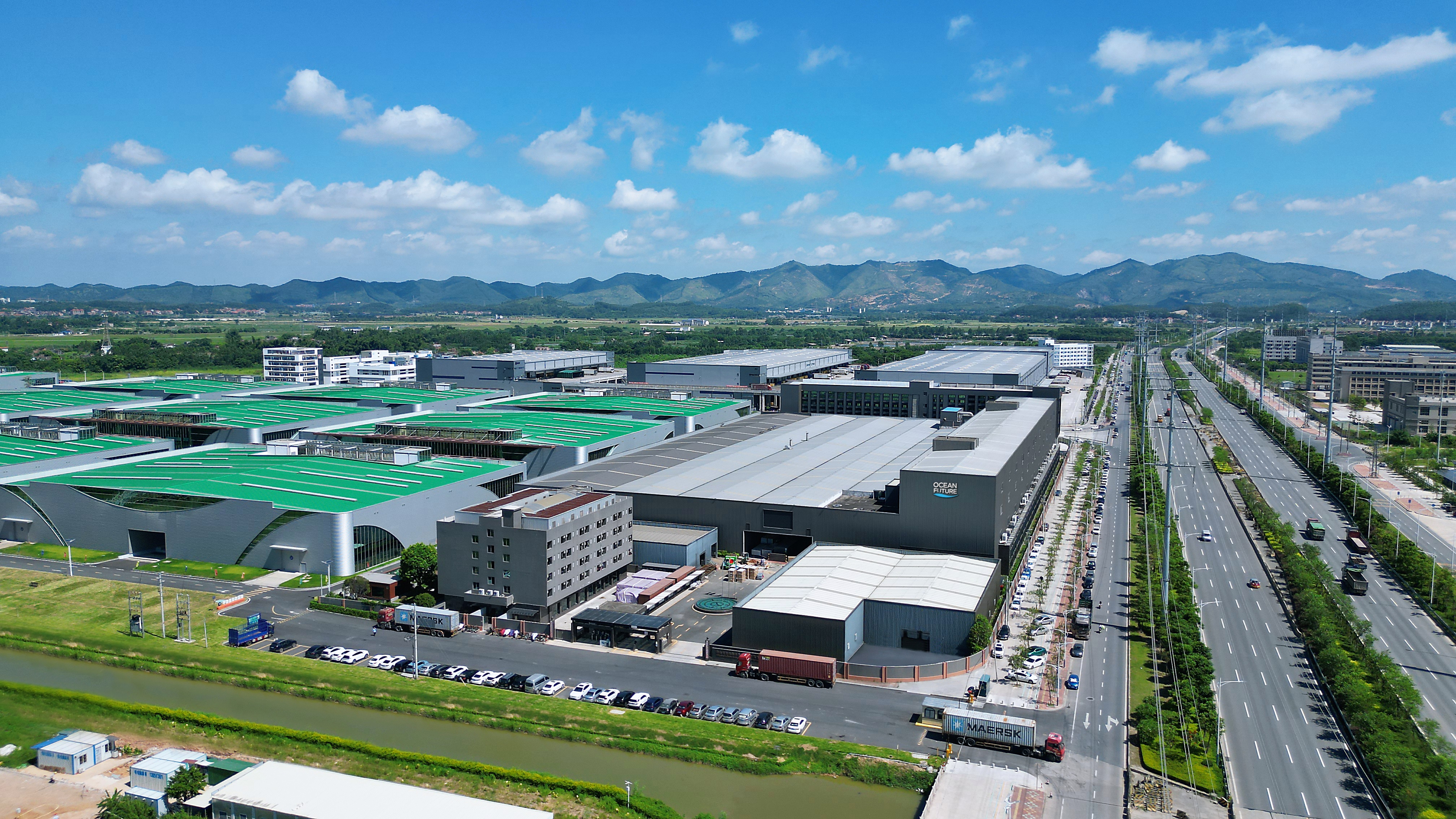
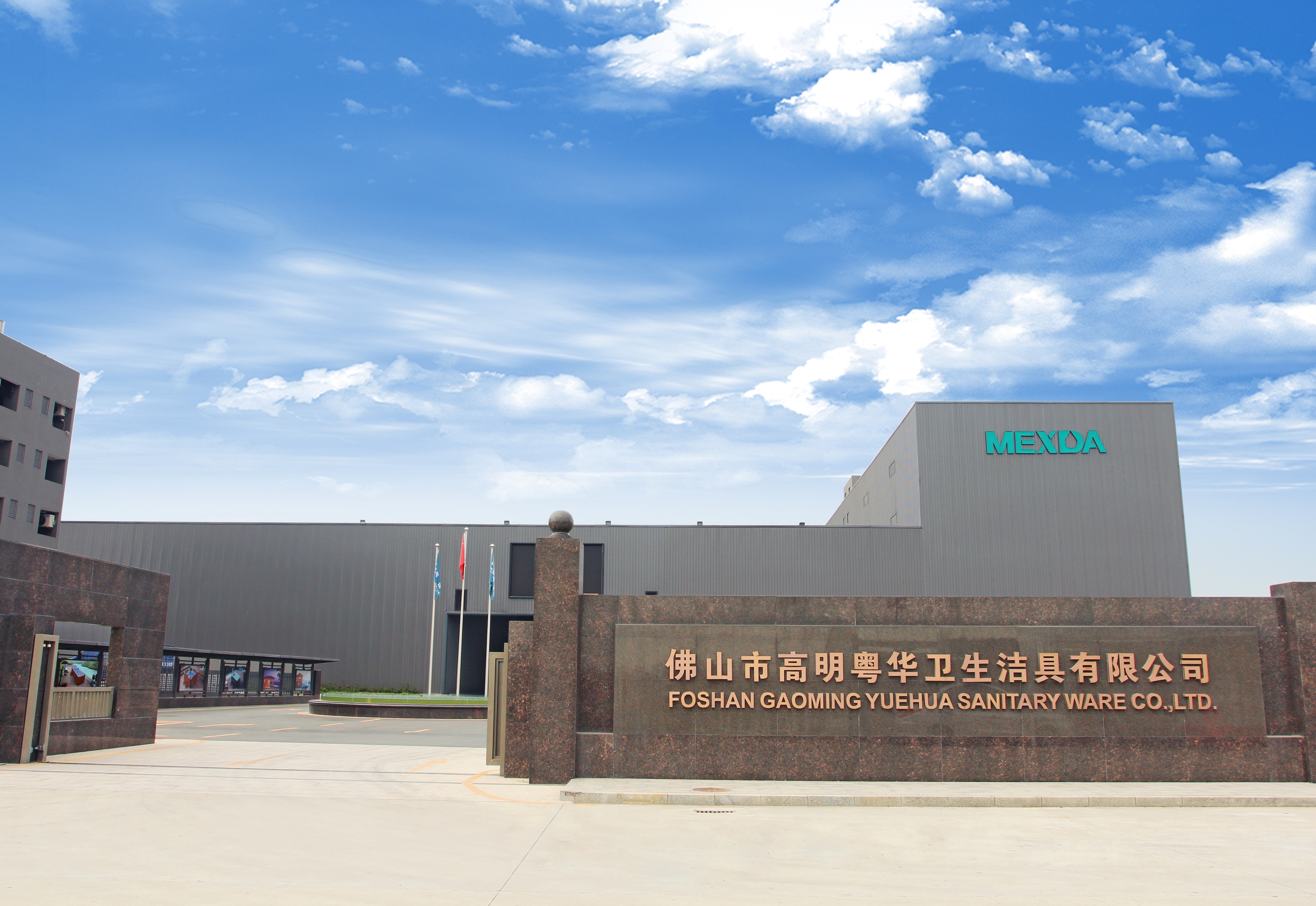
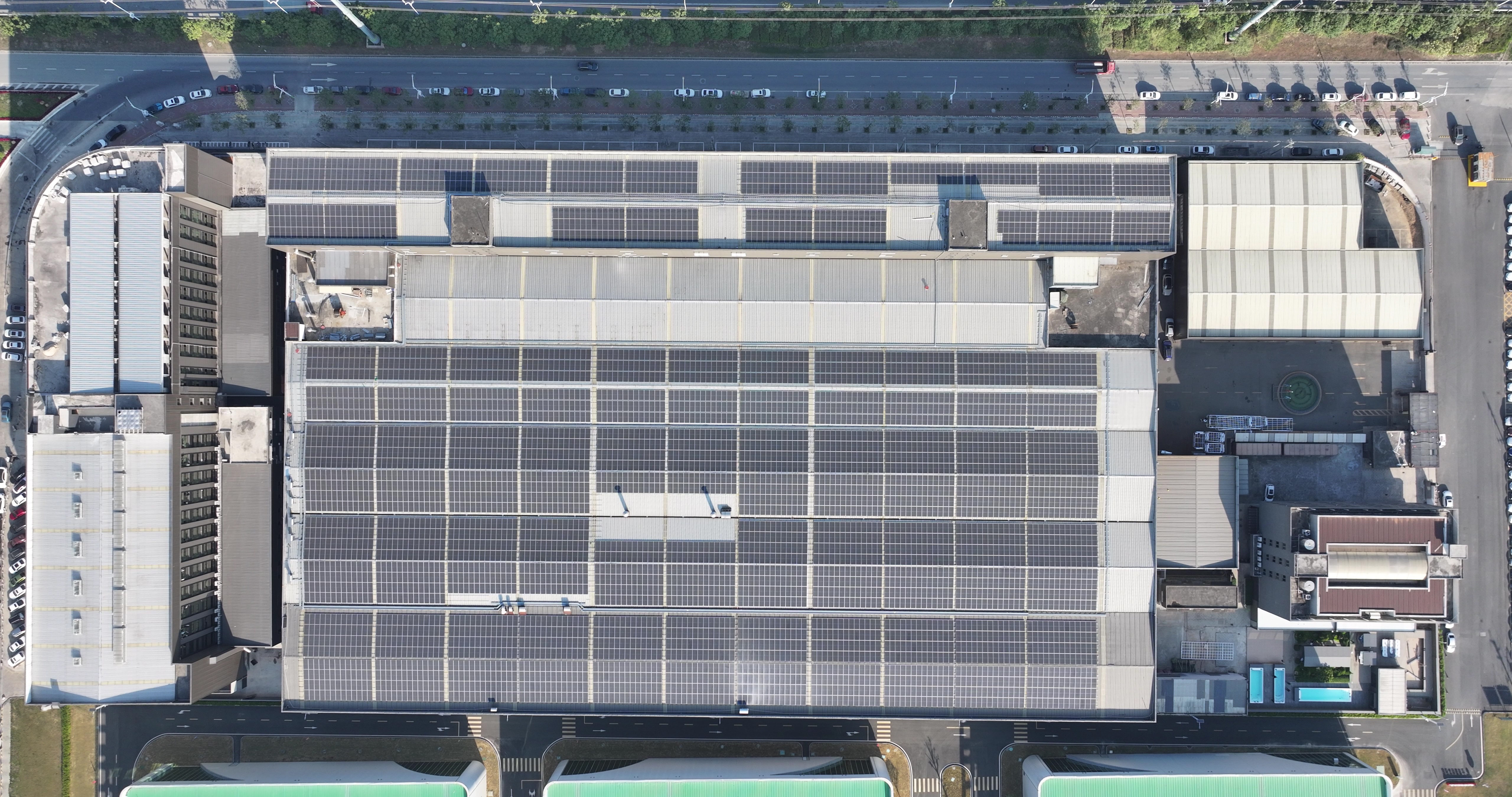
MEXDA is the swim spa and outdoor wellness brand of Foshan Gaoming Yuehua Sanitary Ware Co., Ltd., a manufacturer based in Gaoming, Foshan, Guangdong, China. Founded in 1995, the company produces swim spas, hot tubs, sauna rooms, and steam rooms, and exports to markets that include the USA, the EU, Australia, Germany, and France. MEXDA swim spas are produced in acrylic and are offered under OEM and ODM production, with a product line specified for hotel, fitness, leisure, residential community, and resort applications.
This guide covers four things: what actually varies between settings, how the 7-meter acrylic platform can be adapted, the step-by-step path from evaluation to execution, and the commercial terms — order volume, testing, lead time, and delivery — that close the decision.
Problem Definition: Why the Same 7-Meter Acrylic Unit Performs Differently in Every Setting
The shell, the material, and the length class are fixed. Everything that determines whether an installation is judged a success — how crowded the swim lane feels at peak, how stable the water stays, how much staff time the unit consumes, how long the surface holds its appearance — is set by the operating profile. And the operating profile is set by the environment, not by the product.
That is the core planning problem. A specification sheet describes a vessel. It does not describe a hotel guest who swims for twenty minutes before dinner, a fitness member who trains in a concentrated evening block, a resort guest who wants warm water and a quiet corner, or a community resident who uses the same unit at the same time every morning.
The five variables that change most between projects
- Intended user group. Hotel and resort guests are typically transient, mixed-ability, and unsupervised. Fitness facility users are repeat users with a training objective. Community residents sit between the two: a stable population, but often age-diverse and habit-driven.
- Session length and peak hours. A hotel wellness area may see short visits spread across the evening. A fitness facility concentrates demand into early-morning and after-work blocks. A community typically shows a predictable daily pattern.
- Temperature expectation. A training-oriented user and a relaxation-oriented user do not want the same water temperature, and a single setpoint forces a compromise on both.
- Placement and access. An indoor wellness floor, an outdoor leisure deck, and a community courtyard differ in how the unit is delivered, positioned, and later serviced.
- Water care and maintenance window. A venue with a night maintenance shift can run a very different water care cycle than a community with a part-time caretaker.
When these five variables are written down before the order is placed, most adaptation decisions resolve themselves. When they are left implicit, the same 7-meter acrylic unit can end up over-specified in one project and under-supported in another.
Industry Background: Why Commercial and Community Buyers Are Specifying Swim Spas
Published market data points to steady expansion in the swim spa category. The global swim spa market was valued at approximately USD 2.5 billion in 2024 and is projected to reach USD 5.2 billion by 2034, growing at a compound annual growth rate of roughly 7.5% to 8.5%. Growth-rate estimates vary by source — some analysts place the range closer to 6.6% — but the direction is consistent across published forecasts.
Regional demand is not evenly distributed. North America is the largest market, holding a 38.2% global share valued at approximately USD 1.99 billion in 2025, followed by Europe at 28.5%. The Asia-Pacific region, led by China and Australia, holds approximately 20% of the global pool and spa market.
Within the category, dual-zone hybrid swim spas — units with separate temperature control for the swim area and the spa area — are identified as the fastest-growing segment. That trend is directly relevant to the four settings in this guide, because the temperature conflict between a training user and a relaxation user is exactly the problem a dual-zone layout is designed to address.
For project planners, the useful reading of these figures is not market size but format fit. Commercial and community buyers increasingly specify swim spas where a full lap pool would consume too much footprint, require longer construction, or sit unused for much of the day. A 7-meter acrylic unit sits in that gap: a defined swim lane, a defined footprint, and a configuration that can be adjusted to the venue rather than the reverse.
Detailed Solution: What Is Fixed and What Can Be Adapted
Adaptation works because the 7-meter acrylic swim spa separates into two layers: a fixed platform and a configurable system. The fixed layer defines what the project is buying. The configurable layer defines how well it fits.
Layer one: what is fixed
- The 7-meter format. The length class defines the footprint, the swim lane, and the access requirements for delivery, positioning, and future service.
- The acrylic shell. Acrylic is the shell material used across MEXDA's swim spa range and the material this guide assumes. The shell is the part of the unit a guest or resident sees and touches, so it drives both the visual finish and the long-term appearance of the installation.
Layer two: what can be adapted
- OEM and ODM production. MEXDA offers both OEM and ODM production services, with customization available across the product. A project specification can therefore be shaped around the setting instead of the setting being forced around a fixed catalogue item.
- Thermostatic control. MEXDA swim spas are supplied with intelligent thermostatic systems, which allows the temperature strategy to be set for the dominant user group.
- Continuous swim function. The swim function supports training-oriented and exercise-oriented use — the priority in fitness, hotel, and resort configurations where users expect to move, not just soak.
- Ozone sterilization cycle. Ozone sanitation is integrated into the water care cycle. This matters most where daily bather load is high and water quality has to stay stable without constant manual intervention.
- Insulation and heat retention. PU insulation is part of the delivered unit configuration, supporting stable water temperature and reduced heat loss during operating hours.
- Hydrotherapy jets, LED lighting, and filtration. These configuration elements shift the balance between recovery-focused and ambience-focused use.
- Skirting and water connection fittings. Cabinet skirting and the manual water-in and water-out fittings are part of the delivered configuration and are selected against site conditions.
Mapping the adaptation levers to the setting
Hotel. Guest-facing appearance, water clarity, and short-duration comfort carry the most weight. Thermostatic control and reliable filtration do the visible work here, because guests judge the amenity in a few minutes and rarely return more than once a stay.
Fitness facility. The continuous swim function and the ozone sterilization cycle carry the most weight, because demand is concentrated, repetitive, and training-focused. A fitness setting is also where a dual-zone temperature layout is worth raising with the manufacturer, since swimmers and recovery users frequently want different water.
Resort and leisure venue. Ambience and hydrotherapy share priority with durability. LED lighting, jet configuration, and an acrylic shell that holds its finish in outdoor conditions all matter, and the unit is expected to run long hours across a season.
Residential community. Reliability and low staff dependence dominate. The unit has to perform consistently with limited operator attention, which makes automated water care, insulation, and straightforward service access the key levers.
Commercial flexibility is part of the solution
A configuration that fits the setting is only useful if it can be ordered at the right scale. MEXDA's minimum order quantity is 1 set, which allows a project team to run a single-unit pilot or a small-footprint amenity installation without committing to volume. For multi-site or phased rollouts, monthly production capacity is 500 sets and typical lead time is 30 to 40 days.
Quality control includes 100% testing of all products before shipment, and the acceptance criterion for orders is a pre-shipment test. Payment terms are 30% deposit with the 70% balance before shipment, and delivery is arranged under EXW, FOB, CFR, CIF, DAP, or DDP depending on what the buyer's own logistics setup can absorb. After-sales support includes remote guidance.
Step-by-Step Breakdown: From Evaluation to Execution
The sequence below reflects the order in which decisions actually constrain one another. Moving out of order — choosing configuration before the user group is clear, for example — is the most common cause of a mismatched installation.
- Define the dominant user group and the secondary one. Write down who uses the unit most, who uses it second, and who will occasionally use it. A hotel has guests first and staff second. A community has residents first and visiting guests second. Every later decision references this list.
- Map usage hours and the peak block. Identify when the unit will carry its heaviest load. This determines the water care cycle, the filtration routine, and how much recovery time the water needs between sessions.
- Confirm placement, access, and service route. Verify how the 7-meter unit will be transported to its final position and how a technician will reach the equipment area later. Access is decided once and is expensive to fix afterwards.
- Set the temperature and zoning strategy. Decide whether one water temperature serves the whole user group or whether a dual-zone approach is the better fit for a mixed training and relaxation population.
- Lock the configuration with the manufacturer. At this stage the OEM or ODM scope is settled: thermostatic system, swim function, ozone cycle, insulation, jet layout, lighting, skirting, and fittings are matched to the four settings described above.
- Agree commercial terms and acceptance criteria. Confirming order quantity, delivery term, payment schedule, and the pre-shipment test as the acceptance criterion keeps the commercial side aligned with the technical side.
- Plan installation, handover, and the operating routine. The unit is commissioned, the operating routine is documented, and remote guidance from the manufacturer is used to close out staff questions during the first operating cycle.
Use Cases: The Same 7-Meter Acrylic Unit in Four Project Settings
Hotels
In a hotel, the 7-meter acrylic swim spa functions as a wellness amenity rather than a training facility. Guest use is short, unsupervised, and spread across the day, with the heaviest concentration typically in the evening. Placement usually sits on a wellness floor, a spa terrace, or an outdoor deck adjacent to the fitness room. The planning priority is presentation and water clarity, and the configuration focus is thermostatic control, filtration, and lighting. Because the unit is seen by every guest who passes it, the acrylic shell finish does more commercial work here than in any other setting.
Fitness Facilities
In a fitness or commercial wellness facility, the same unit becomes a training asset. Users are repeat visitors with a defined objective, and demand concentrates into identifiable blocks. The planning priority shifts to sustained performance under repeated load, and the configuration focus moves to the continuous swim function, the ozone sterilization cycle, and a water care routine that recovers quickly between peak sessions. This is also the setting where a dual-zone temperature layout is most likely to be worth discussing, since swimmers and recovery users rarely want the same water.
Resorts and Leisure Venues
In a resort or leisure environment, the 7-meter acrylic unit serves guests who are in a relaxation frame of mind, often in outdoor conditions and often for longer, less structured sessions. Placement on a leisure deck or a pool-adjacent terrace keeps it visible and easy to supervise. The planning priority is a combination of ambience and durability, and the configuration focus is hydrotherapy jet layout, LED lighting, PU insulation for heat retention, and an acrylic shell that holds its appearance through long outdoor operating seasons.
Residential Communities
In a residential community, the unit is a shared amenity with a stable, age-diverse user base and limited operator attention. Use is habitual — the same residents at roughly the same times — which makes consistency more valuable than peak performance. The planning priority is reliability and low maintenance dependence, and the configuration focus is automated water care, insulation, and service access. Because the population does not change, a community installation tolerates a narrower temperature setpoint than a hotel or resort, where guest expectations vary widely.
Evidence from a long-running installation
A project in France installed 20 swim spa sets for residential and commercial leisure and fitness applications. The installation was delivered for construction contractor clients and has been in operation for over 10 years, demonstrating long-term reliability. The stated objectives were reliable performance and a comfortable hydrotherapy experience, and the key highlights reported from the project were long-lasting durability and constant temperature.
For buyers in the evaluation stage, that project is useful for what it says about operating life rather than about features. A mixed residential and commercial leisure installation is a demanding profile: it combines habitual daily community use with variable public use, and it requires the unit to keep performing without being rebuilt. The same logic applies to a 7-meter acrylic unit being planned today — the siting, water care, and configuration decisions made at the start of the project are what determine whether it is still working a decade later.
Comparison Table: Matching the 7-Meter Acrylic Unit to the Setting
The table below compares the four settings across the planning criteria that change most. It describes planning logic, not product specifications: the same 7-meter acrylic platform sits at the centre of every row.
| Setting | Primary user group | Typical placement | Usage pattern | Planning priority | Configuration focus |
|---|---|---|---|---|---|
| Hotel | Transient guests, mixed ability, unsupervised | Wellness floor, spa terrace, outdoor deck | Short visits spread across the day, evening peak | Appearance and water clarity | Thermostatic control, filtration, LED lighting |
| Fitness facility | Repeat users with a training objective | Studio floor or dedicated swim zone | Concentrated morning and after-work blocks | Sustained performance under repeated load | Continuous swim function, ozone sterilization cycle, recovery routine |
| Resort / leisure venue | Relaxation-oriented guests, long sessions | Leisure deck or pool-adjacent terrace | Long, unstructured sessions across a season | Ambience plus durability | Hydrotherapy jets, LED lighting, PU insulation, acrylic finish |
| Residential community | Stable, age-diverse resident population | Courtyard or shared amenity area | Habitual daily use at predictable times | Reliability and low maintenance dependence | Water care automation, insulation, service access |
Two rows share a configuration focus with a strong overlap — hotel and resort both prioritise appearance, LED lighting, and the acrylic finish — while fitness and community sit at opposite ends of the temperature-flexibility question. That split is the single most useful output of this table: if the project mixes a training population with a relaxation population, the temperature and zoning decision should be made explicitly rather than by default.
FAQ: 7-Meter Acrylic Swim Spa Projects
What should a project team confirm before a 7-meter acrylic swim spa is fabricated and delivered?
Three things should be settled before fabrication: the user group and peak usage pattern, the placement and service access route, and the commercial terms. On the commercial side, MEXDA's minimum order quantity is 1 set, delivery can be arranged under EXW, FOB, CFR, CIF, DAP, or DDP, and the acceptance criterion for orders is a pre-shipment test. Payment terms are 30% deposit with the 70% balance before shipment. Agreeing these points early keeps the technical brief and the commercial agreement aligned instead of resolving them separately.
Can a 7-meter acrylic swim spa be customized for a hotel, fitness, resort, or community project?
Yes. MEXDA offers both OEM and ODM production services, with customization available across the product. In practice this means the configuration can be shaped around the setting: an intelligent thermostatic system for temperature strategy, a continuous swim function for training-oriented venues, an integrated ozone sterilization cycle for high bather load, PU insulation for heat retention, and adjustable hydrotherapy jet, LED lighting, skirting, and water connection elements. The acrylic shell and the 7-meter length class remain the fixed platform that all four settings share.
How does order volume work for a pilot unit versus a multi-unit rollout?
The minimum order quantity is 1 set, so a single unit can be ordered for a pilot installation, a single-site amenity, or a phased project without committing to volume up front. For larger programmes, monthly production capacity is 500 sets, which supports multi-site rollouts and staged deliveries across a portfolio. Typical lead time is 30 to 40 days, so rollout scheduling should be built around that window rather than around a shorter assumed cycle.
How is quality validated before shipment?
Quality control includes 100% testing of all products before shipment, and the pre-shipment test is the stated acceptance criterion for orders. That combination means a project team does not need to arrange independent verification at an earlier stage in order to release a rollout: the unit is tested before it leaves the factory, and the result is the basis for acceptance. After-sales support continues after installation through remote guidance, which is particularly relevant for community and resort operators whose staff run the unit without a dedicated technical team.
What is the typical lead time, and what happens after installation?
Typical lead time is 30 to 40 days from order confirmation, with payment structured as 30% deposit and 70% balance before shipment. After delivery, after-sales support includes remote guidance for operating staff, which helps close out commissioning questions during the first operating cycle. If the project is still at the evaluation stage, the most efficient next step is to define the user group, placement, and temperature strategy from the checklist above, then request a configuration proposal and a quotation for the specific setting. The MEXDA swim spa catalogue is available for download here: MEXDA Swim Spa Catalogue (PDF).
Conclusion: Plan the Setting First, Then Specify the Unit
A 7-meter acrylic swim spa is a shared platform, not a shared solution. The hotel, fitness, resort, and community versions of the same unit differ in user group, peak demand, temperature expectation, placement, and maintenance capacity — and those differences are decided in the planning stage, long before the shell leaves the factory.
The practical sequence is short. Define the dominant user group and the secondary one. Map usage hours and the peak block. Confirm placement and the service route. Settle the temperature and zoning strategy. Lock the configuration. Agree the commercial terms, with the pre-shipment test as the acceptance criterion. Then plan the operating routine so that the unit is maintained by design rather than by reaction.
Underlying all of it is the same principle: the platform is fixed, the fit is not. MEXDA's role in that process is configuration rather than catalogue supply — OEM and ODM production with customization available across the product, a minimum order quantity of 1 set for pilots and single-site installations, monthly capacity of 500 sets for multi-site programmes, a 30-to-40-day lead time, 100% testing before shipment, and remote guidance after installation. A long-running 20-unit project in France for residential and commercial leisure and fitness applications has been in operation for over 10 years, which is the outcome these planning decisions are meant to produce.
Planning a 7-meter acrylic swim spa for a hotel, fitness facility, resort, or residential community?
Tell us the setting, the user group, and the placement, and we will prepare a configuration proposal for your project. Sample and single-unit orders are accepted, and full quotations are available on request.
Download the catalogue: MEXDA SWIM SPA PDF
Website: www.chinamesda.com
Contact: Kinear Wu · mesda3b@china-yuehua.com · WhatsApp +86-15820624699
Foshan Gaoming Yuehua Sanitary Ware Co., Ltd. — No.568, Yangxi Road, Yanghe Town, Gaoming, Foshan, Guangdong, China.
Have Questions or Need More Details?
Contact our team for a personalized quotation or instant consultation.
Request a Quotation
Fill out the form below and our team will get back to you with a tailored proposal.
WhatsApp Direct Chat
Prefer to chat in real-time? Message us on WhatsApp for instant assistance & quick answers.
- Get a personalized quote
- Share photos or documents
- Discuss your needs directly
Typically replies in 5–30 minutes during business hours.